This beach hub helps you choose a coast and the type of day that suits your family. The next decision is a specific access point, with current information on conditions, parking and useful facilities.
That was 1991. I've been back to Florida more times than I can count since then, and Florida beaches have been a central part of every single trip. They're not just a nice addition to the theme parks. For me, they're equal billing. The beaches are the reason I keep coming back.
This is my complete guide to Florida beaches for UK families — a genuine starting point if you're trying to work out where to spend your beach days, which coast suits your family, and how to make the most of every moment. I'll also link through to my detailed guides for individual beaches, so you can go as deep as you need.
Compare the beach day rather than a coast-wide promise
| Decision | What to check |
|---|---|
| Atlantic shortlist | Investigate the Space Coast for a different day from Orlando. |
| Gulf shortlist | Compare the exact destination and journey rather than assuming one beach experience. |
| Family needs | Check toilets, shade, suitable access and a practical exit plan. |
Current local guidance matters more than a general claim that one coast is always safe, calm or cheaper. Weather, surf and access can change. Use destination guides for the details and keep enough flexibility to choose an alternative if conditions are unsuitable. A beach without an admission charge can still involve parking, transport and food.
Which guide should we read after choosing a coast?
Use the individual destination guide, then check the current local information for the exact place you plan to visit.
Gulf Coast vs Atlantic Coast: Which Is Right for Your Family?
This is the first question most UK families ask, and it's a good one. Florida has two completely different coastlines and they feel nothing alike.
Gulf Coast: Calm, Warm and Brilliant for Families
The Gulf of Mexico is where I'd send any family with young children without hesitation. The water is warm — genuinely warm, like bath water in summer — and calm. There's very little surf, the seabed shelves gently, and the sand is that famous powdery white that you see on every Florida postcard. The Gulf Coast beaches — Clearwater, St Pete Beach, Siesta Key, Fort Myers, Naples — are the ones that win the awards. If you want that classic Florida beach experience, you want the Gulf.
Atlantic Coast: More Surf, More Energy, Different Vibe
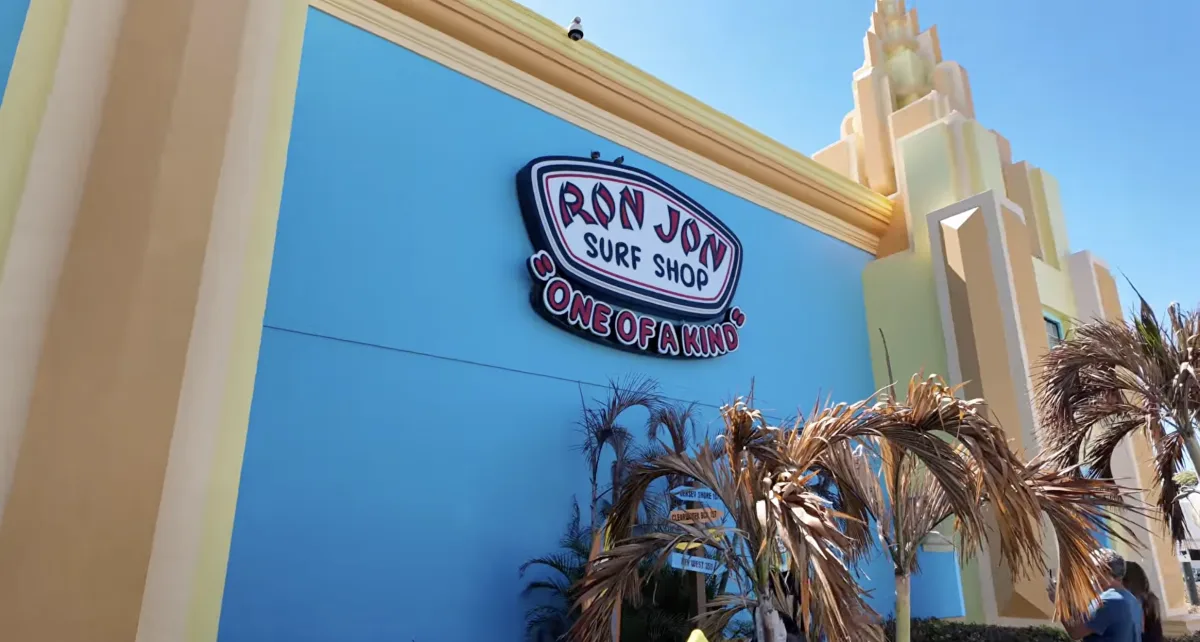
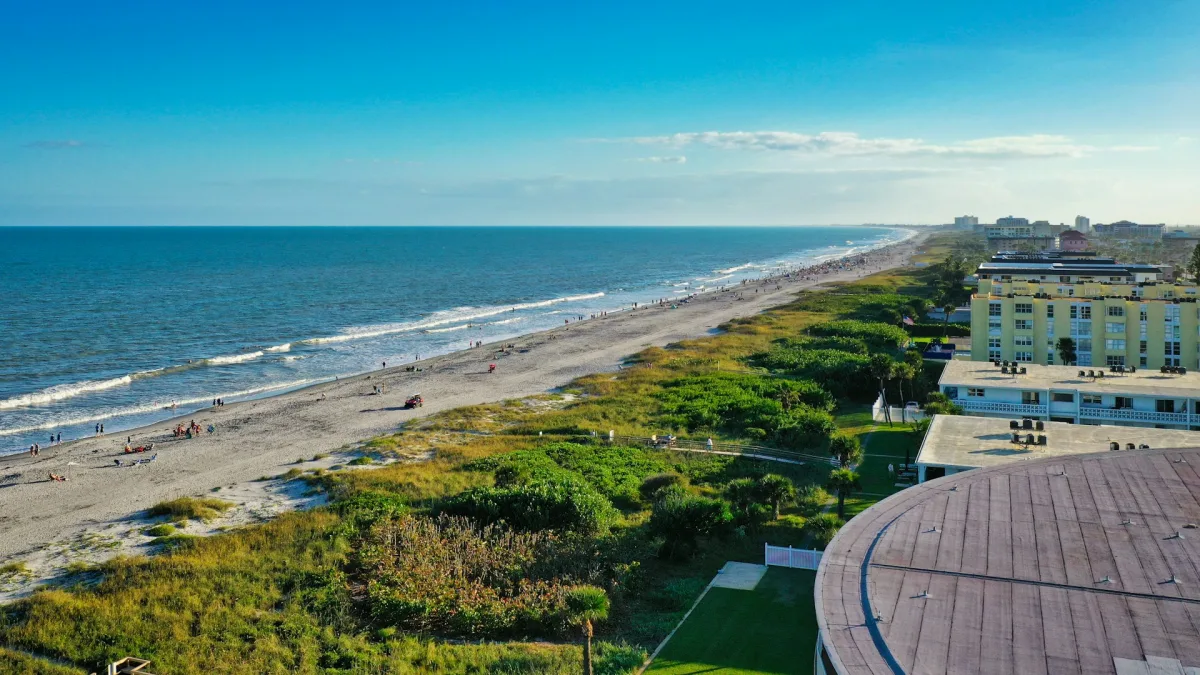
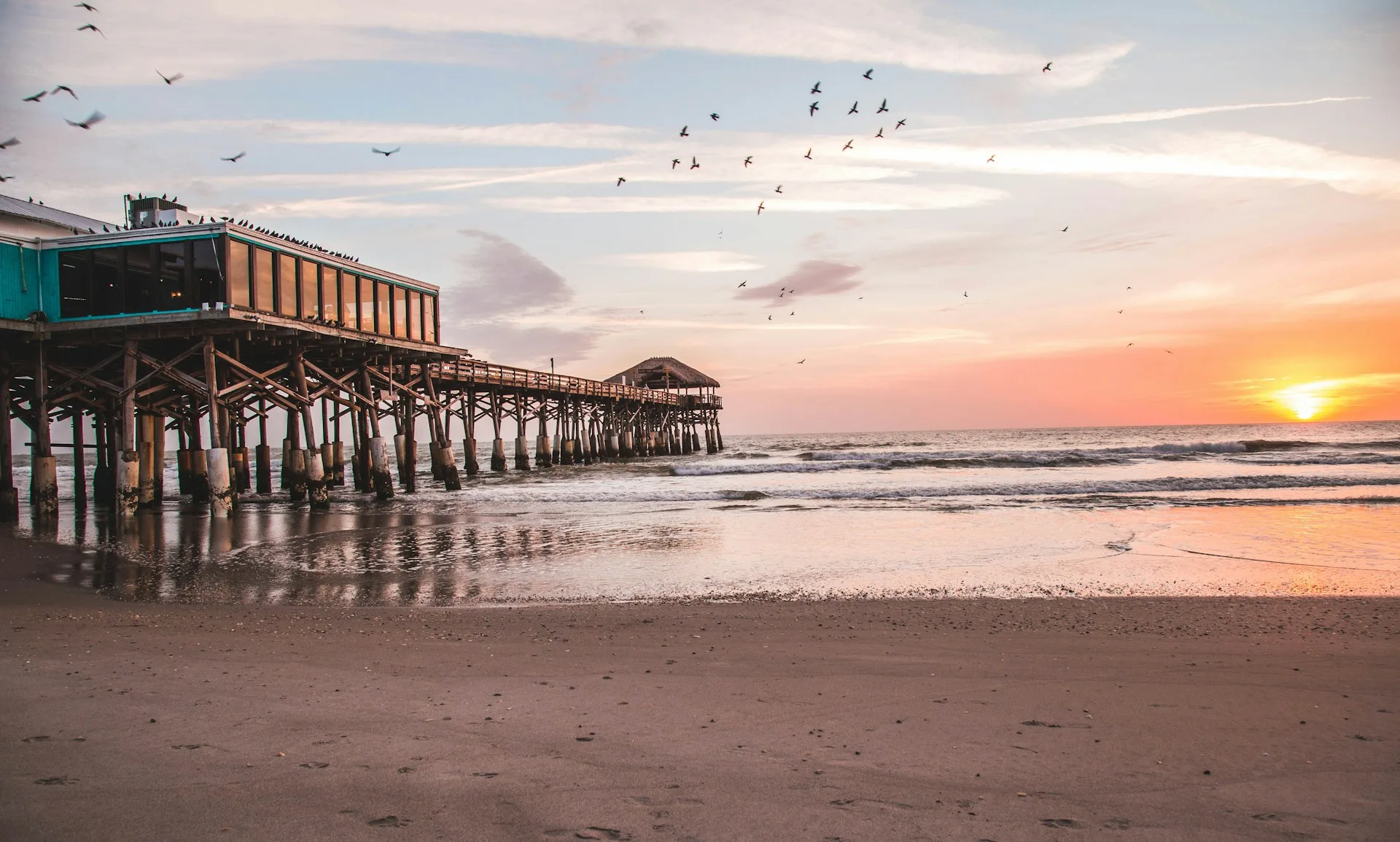
The Atlantic side is a different animal. Cocoa Beach, Daytona, Miami Beach — these have more wave action, slightly cooler water, and a busier, more energetic feel. Daytona has a legendary spring break reputation which is less relevant to UK families. Cocoa Beach, though, is fantastic — it's the closest ocean beach to Orlando, it sits right next to Kennedy Space Center, and it's a genuinely cracking day out. If you've got teenagers who want proper waves or a livelier scene, the Atlantic coast is worth considering.
The honest verdict: for most UK families with younger children, the Gulf Coast wins. For a family with mixed ages or teenagers, a day or two on the Atlantic side adds variety.
Florida Beach Destinations: Your Guide to Each One
Clearwater Beach
 Clearwater Beach Florida" loading="lazy">
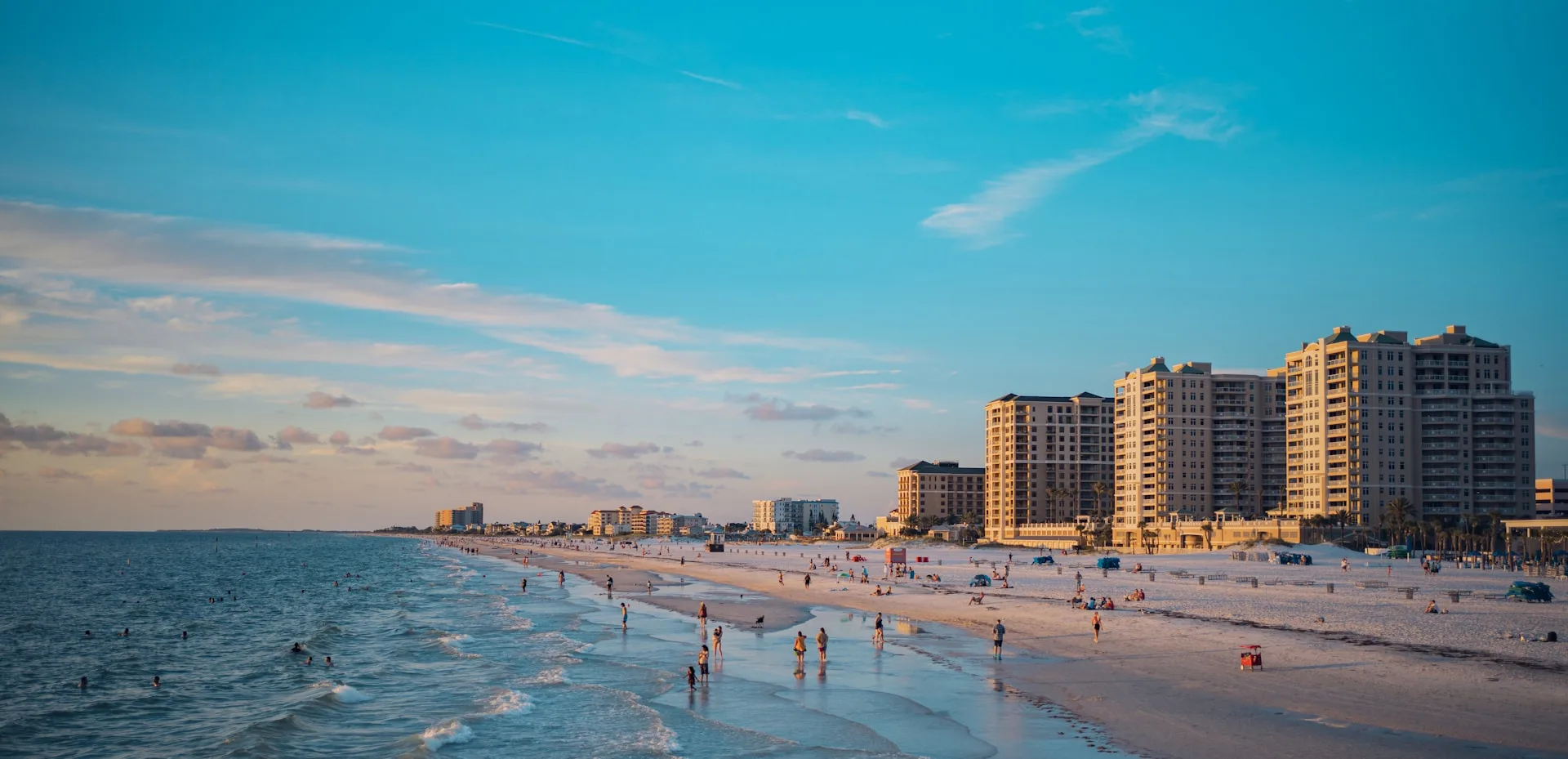
Clearwater Beach is repeatedly voted the best beach in America and I'd argue it deserves that title. It's lively, it's organised, and it has everything a family needs in one place — safe shallow water, brilliant white sand, good restaurants, and Pier 60 where there's a free sunset festival every evening with street performers and live music. It can get busy, especially in school holidays, but it handles the crowds well. This is the Florida beach most UK families imagine when they close their eyes and dream about the trip. My full Clearwater Beach guide covers everything you need to plan a perfect day there.
St Pete Beach
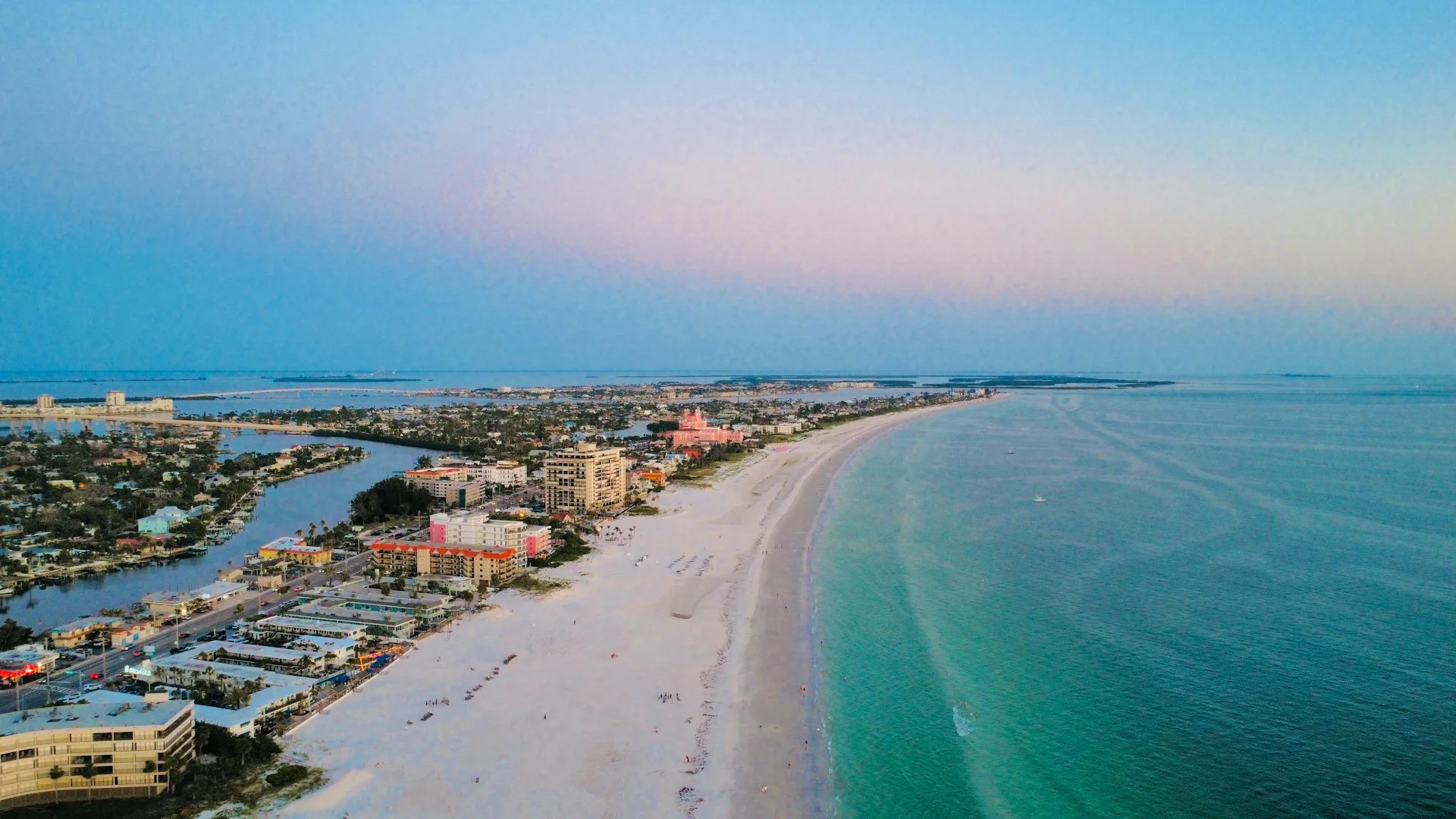
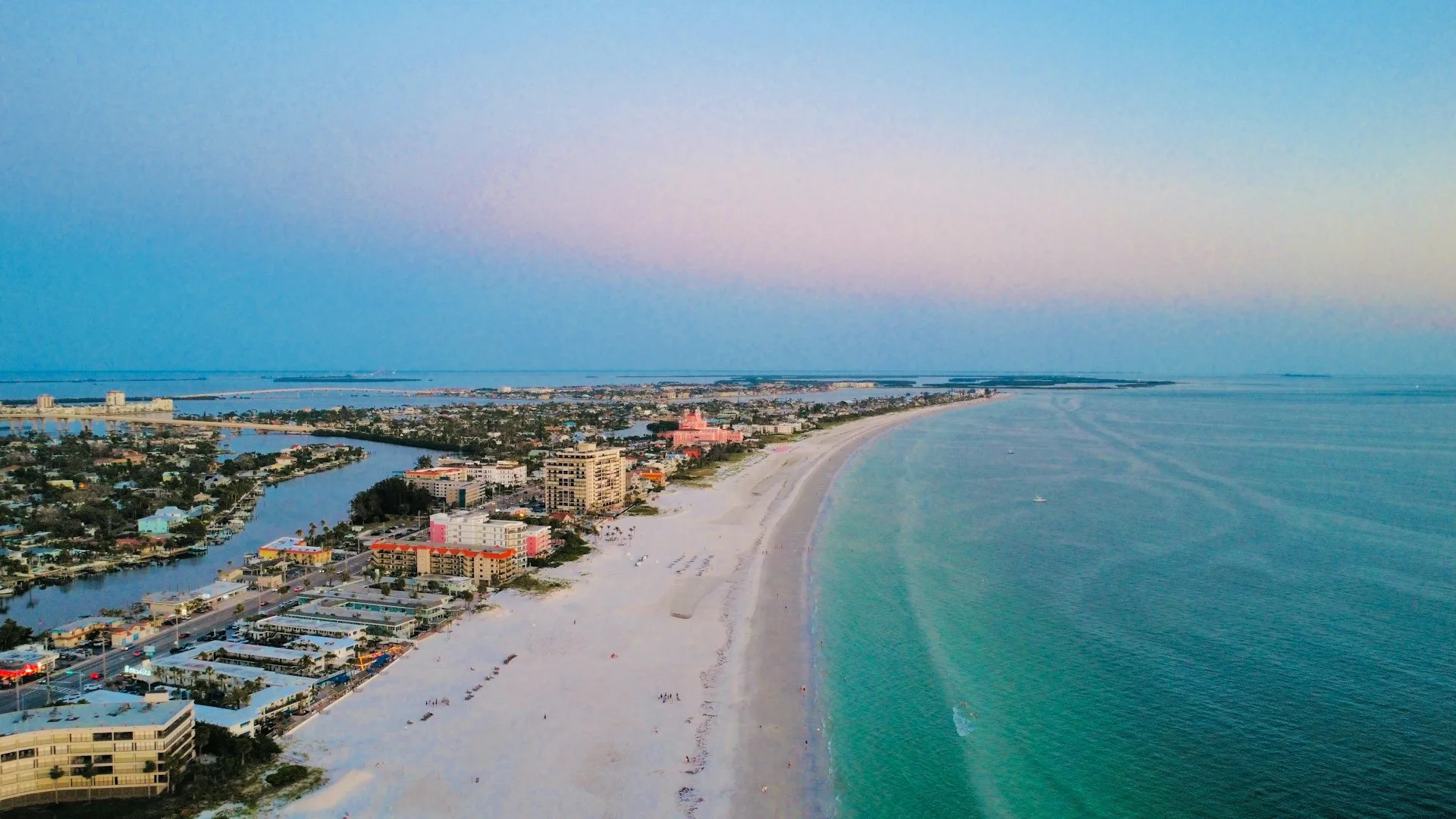
St Pete Beach sits just south of Clearwater and has a slightly different character — quieter, more local, less theme-parky. It's just been named the best beach destination in the US for 2026, which tells you everything. The Gulf water here is just as beautiful as Clearwater, the crowds are a fraction of the size, and there's a more relaxed, almost European feel to the place. I love it. If Clearwater is Florida's most famous beach, St Pete Beach is its most enjoyable one. My St Pete Beach UK family guide goes into all the detail.
Best Florida Beaches — Overview
If you want a broader picture of Florida's top beaches across the whole state, from the Panhandle to the Keys, I've pulled together my personal top picks with honest assessments of each. It covers beaches that don't always appear on tourist maps, including some of my favourite low-key Gulf Coast spots. My guide to the best Florida beaches for UK families is a great next read once you've decided which coast appeals.
Practical UK Family Beach Guide
Florida beaches look easy. Sun, sand, sea — what's to know? Quite a lot, as it turns out, especially for UK families who aren't used to this level of heat or UV intensity.
What to Pack for a Florida Beach Day
- Factor 50 sunscreen, not factor 20. The Florida sun is in a different league from anything we experience at home. Factor 20 is not enough. Reapply every 90 minutes, especially after swimming.
- Rash vests for kids — these are brilliant for all-day UV protection and take the pressure off constantly reapplying cream on wriggling children.
- Water shoes for the Gulf — not essential but genuinely useful. Some Gulf beaches have broken shells or sand dollars near the waterline.
- A beach tent or pop-up shelter — the sun is brutal between 10am and 4pm. Shade is your best friend.
- Plenty of water. More than you think. Florida heat combined with sea air dehydrates children faster than you'd expect.
- Cash for parking — most Florida beaches charge for car parking, typically $3–$5 (around £2.50–£4) per hour at meters.
Beach Safety — What UK Families Need to Know
Florida beaches use a colour-coded flag system at the water's edge. You need to know what these mean before you get in the water. A green flag means calm conditions. Yellow means moderate surf or currents — swim with care. Red means high surf or dangerous conditions — stay out. Double red means the beach is closed to swimmers. Purple flags indicate dangerous marine life, usually jellyfish or Portuguese Man O' War. Always check the flags before entering the water. This is not a system we use in the UK, so it catches many British visitors off guard.
Rip currents are the other key thing to understand. If you get caught in one, the instinct to swim directly back to shore is wrong — it will exhaust you. Swim parallel to the shore until you're out of the current, then swim back in. The beaches all have lifeguards during the day. Stay between the flags as you would at home.
Jellyfish do appear, particularly on the Atlantic coast after storms. They're more of a nuisance than a danger in most cases. If stung, rinse with seawater — not fresh water — and remove any tentacles carefully.
Best Time of Day on a Florida Beach
Early morning or late afternoon. Genuinely. The beach before 10am is magical — cool, quiet, and the light is beautiful. After 4pm the heat drops, the crowds thin, and the Gulf sunsets are something I look forward to every single trip. The hours between 11am and 3pm are when the sun is most dangerous and the beach is most crowded. Use that time for lunch, a swim in the villa pool, or a nap. Go back out at 4pm refreshed.
Best Florida Beaches by Type — Quick Reference
- Best for young children: Clearwater Beach, Fort De Soto
- Best for teenagers: Cocoa Beach, St Pete Beach
- Best hidden gem: Anna Maria Island, New Port Richey
- Best Gulf Coast: Siesta Key, Clearwater Beach, St Pete Beach
- Best for combining with theme parks: Cocoa Beach (near Kennedy Space Center, 50 minutes from Orlando)
- Best for a relaxed week-long stay: St Pete Beach, Fort Myers Beach
How to Combine Florida Beaches With Theme Parks
Most UK families do a 14-night Florida holiday and split their time between Orlando theme parks and the beach. This is absolutely the right approach. The question is how to structure it.
I base myself in Kissimmee — it's almost exactly what I did as a kid in 1991 and it still makes the most sense for a mixed theme park and beach holiday. Kissimmee puts you about an hour from Clearwater and St Pete Beach on the Gulf, and about 50 minutes from Cocoa Beach on the Atlantic. Both are completely manageable as day trips, especially if you leave before 9am to beat the traffic.
On a typical 14-night trip, I'd build in 3–4 dedicated beach days minimum. Don't try to squeeze a beach into a theme park day — you'll do neither properly. Block out full days. Leave early, get a parking spot, be on the sand by 9am, use the middle of the day for lunch and shade, head back to the water at 4pm for the sunset, and drive home after dinner. That's a perfect Florida day right there.
If you're booking beachfront accommodation for part of your trip, I'd suggest checking Booking.com for Gulf-side properties — there's a great range from budget condos to proper resort hotels, and staying on the beach even for two or three nights transforms the experience.
My Honest Verdict on Florida Beaches
People ask me all the time whether Florida beaches are worth the extra travel compared to Spain or Greece. My honest answer is yes — but for a specific reason. Spain gives you a good beach. Greece gives you a beautiful beach. Florida gives you a beach experience that is genuinely unlike anything else in the world for a family. The water colour on the Gulf, the beach infrastructure, the safety, the size, the sunsets over the water — it adds up to something that I've never found anywhere else at this level of quality.
My single favourite Florida beach moment after 35 years? Sitting on the sand at St Pete Beach at 7pm, watching the sun drop below the Gulf horizon in full orange and red, with a cold drink in hand and the kids still in the water behind me. That moment, every time, makes the flights and the planning and the cost feel like the best decision I ever made.
Frequently Asked Questions
Which is better — Gulf Coast or Atlantic Coast for UK families?
For most UK families, especially those with younger children, the Gulf Coast wins. The water is warmer, calmer and shallower, and the sand is much finer. The Atlantic Coast has more surf and energy, which suits teenagers better. I'd always recommend at least one day on each coast if your itinerary allows.
How far are Florida beaches from Orlando?
Clearwater Beach and St Pete Beach on the Gulf Coast are roughly 90 minutes from Kissimmee. Cocoa Beach on the Atlantic coast is about 50 minutes. Both are very manageable as day trips, and the drives are easy on Florida's wide, well-signposted roads.
Is the sea warm enough in October half term?
Yes, absolutely. The Gulf of Mexico stays very warm well into October — typically around 27–29°C (80–84°F) at half term. It's genuinely one of the best times to visit Florida beaches. The crowds are thinner than summer and the temperatures are slightly more comfortable in the middle of the day.
Are Florida beaches safe for children?
Generally, yes — particularly on the Gulf Coast where the water is calm and shallow. All the main beaches have lifeguards during the day. Learn the beach flag system before you arrive, teach your children about it, and always swim in supervised areas. The Gulf is genuinely one of the most family-friendly swimming environments in the world.
Do you need to pay to access Florida beaches?
The beach itself is free — Florida law guarantees public access to all beaches. You'll typically pay for car parking, which runs at around $3–$5 (roughly £2.50–£4) per hour at most beaches. Some beach parks charge a day fee of around $5–$8 (£4–£6.50) per vehicle, which is excellent value for a full day out.
Florida beaches genuinely are as good as the brochures promise — better, actually, because no brochure captures the warmth of that Gulf water or the ridiculous beauty of a sunset over the Gulf. Plan carefully, build in enough beach days, and I promise it'll be one of the parts of your Florida holiday that your kids talk about for years. I still talk about Prestatyn vs the Gulf of Mexico, and I was 11 when I made that comparison. Some things stay with you.
Plan your next step
- Best Florida Beaches for UK Families: My Top Picks
- Cocoa Beach: The Honest UK Family Guide (Atlantic vs Gulf)
- Clearwater Beach Florida: Ultimate UK Family Guide
- St Pete Beach 2026: Ultimate UK Family Guide
Source review: 17 October 2026. Verify changing dates, admission and booking conditions for your own visit. spacecoast; cocoa; clearwater.
Older price examples and personal accounts in the retained guide are not current quotations or a guarantee about another family’s trip. Check the relevant provider and exact booking before relying on them.